Author: n8n

  • The History and Evolution of Working Dog Breeds

    The History and Evolution of Working Dog Breeds

    Working dog breeds have been indispensable companions and helpers to human societies for thousands of years. Their abilities have not only made daily tasks easier but also helped forge the very foundations of civilization through protection, hunting, herding, and transportation. From ancient times to the present day, these breeds have evolved alongside humans, shaped by the environments and cultures they lived in, and refined through selective breeding to fulfill specific roles. The connection between humans and working dogs is a testament to how two species can co-evolve and thrive together for mutual benefit.

    The history of working dogs reveals fascinating insights into human migration, the development of agriculture, trade expansion, and even the defense of territories. Recognizing the diversity in purpose and characteristics among working dog breeds helps us appreciate the deep bond they share with people across various regions and historical periods. Exploring this journey uncovers not only the practical attributes of working dogs but also their cultural symbolism, myths, and the impact they have had on societies worldwide.

    Origin and Evolution of Working Dog Breeds

    The origins of working dog breeds trace back to early human civilizations when dogs were among the first domesticated animals. Selective breeding played a crucial role in developing breeds that suited particular tasks, from guarding livestock to hunting game. Early humans recognized the value of dogs with specific traits—such as strength, endurance, scenting ability, or herding instinct—and selectively bred them to enhance these qualities over generations.

    Geography, climate, and culture hugely influenced the variety of working dog breeds that emerged. For instance, breeds developed in colder climates like the Arctic needed thick coats and endurance for tasks like pulling sleds, while dogs bred in desert regions were often lean and agile, suited for hunting in harsh conditions. Cultural factors dictated the roles dogs were expected to perform—some societies prized hunting companions, others guardianship, or herding skills, each shaping breed characteristics accordingly.

    The first documented evidence of working dogs can be found in ancient literature, art, and archaeological findings. Cave paintings and carvings from prehistoric times clearly depict the close association between humans and domesticated dogs. Ancient Mesopotamian and Egyptian texts detail the use of dogs in hunting and protection, affirming their status as essential working partners. For example, dog remains found alongside human burials suggest early dogs held special significance, possibly related to their working roles or spiritual beliefs.

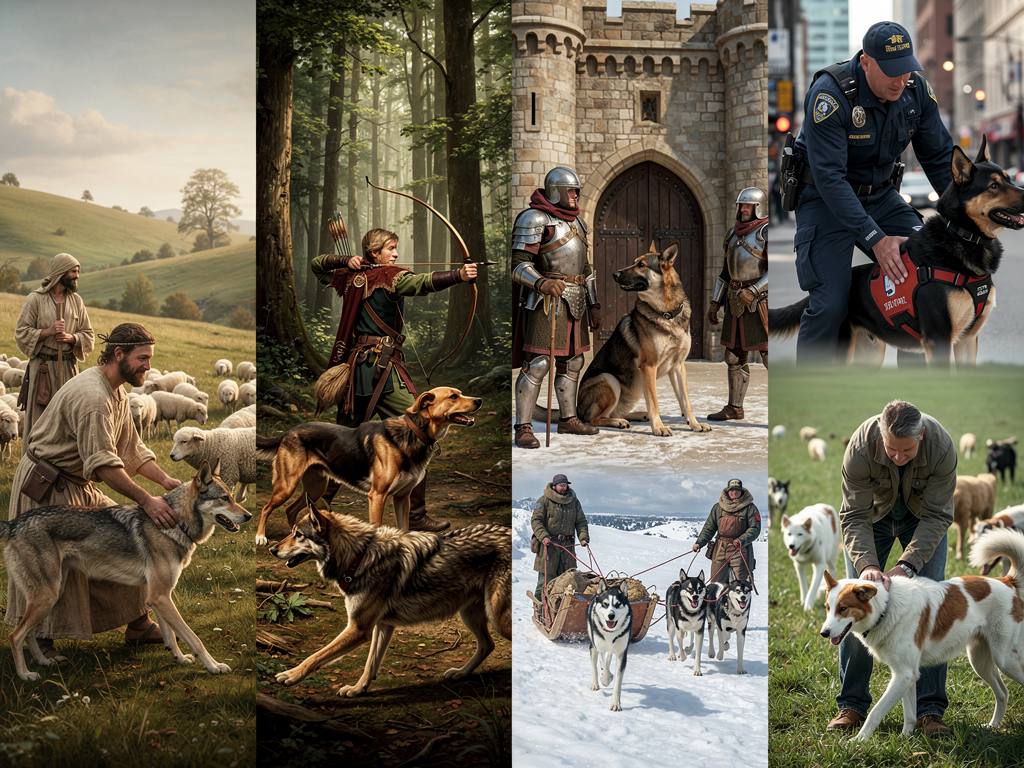
    Migration patterns greatly affected how working dog breeds dispersed and adapted worldwide. As human groups moved across continents, they brought dogs with them, which then interbred with local canines or adapted uniquely to new environments. This process allowed certain breeds to flourish far from their places of origin due to environmental or cultural suitability. A prime example is the spread of sled-pulling breeds among Arctic communities such as the Inuit and Siberian peoples. Breeds like the Siberian Husky and Alaskan Malamute developed remarkable endurance and cold-weather resilience, indispensable for survival in frozen regions.

    Ancient Working Dog Breeds

    Ancient working dogs were vital to early civilizations for hunting, guarding, and companionship. Breeds such as Greyhounds, Basenjis, and Salukis have origins dating back thousands of years, each developed with distinctive traits suited to their environments and tasks.

    The ancient Egyptian Greyhound, often depicted in tomb paintings, was prized for its incredible speed and agility in hunting. These slender, fast dogs were used to chase down game in the vast desert landscapes, showcasing the Egyptians’ appreciation for combining form and function in their dogs. Greyhounds also participated in early canine sports, setting the foundation for modern racing and coursing activities.

    The Basenji, native to Central Africa, is notable for its unique vocalization—it does not bark like most dogs but makes a yodel-like sound called a “barroo.” This characteristic was well-suited to its environment and role as both a companion and hunter in African cultures. The Basenji’s keen senses, agility, and independence made it ideal for hunting small game and alerting humans to danger without drawing undue attention through barking.

    Salukis, often called the “Royal Dogs of Egypt,” have a storied history as swift and enduring hunters in Middle Eastern deserts. Their ability to cover large distances and catch elusive prey made them favorites among nomadic tribes and royalty alike. Salukis are also steeped in legend and art, symbolizing grace, speed, and loyalty.

    Ancient mythologies further elevated the cultural significance of some working dogs. Greek stories, for example, feature Cerberus, the terrifying three-headed guard dog of Hades, who prevented the dead from leaving the underworld. Such myths underscore how working dogs were revered as powerful protectors and companions beyond the physical realm, embedding them in human belief systems.

    Medieval Working Dog Breeds

    During the Middle Ages, dogs continued to evolve into specialized roles that matched the needs of feudal societies. Breeds like Mastiffs, Bloodhounds, and Wolfhounds exemplify the practical and symbolic importance of working dogs during this period.

    The Mastiff was famously known as a guardian of castles and fortresses. Their sheer size, strength, and intimidating presence made them ideal for protecting nobility and their domains from invaders or thieves. These dogs were bred for courage and loyalty, often chained at gates or patrolling battlements. This role established the Mastiff as a symbol of security and steadfastness.

    Bloodhounds, meanwhile, dazzled medieval society with their unmatched sense of smell and tracking ability. They were used both for hunting game and for law enforcement purposes, tracking down fugitives or lost persons. Their exceptional olfactory skills enabled them to follow scents over miles, which was revolutionary for medieval justice and hunting. Bloodhounds’ success in tracking also led to developing training methods based on scent discrimination still in use today.

    Wolfhounds, especially the Irish Wolfhound, were bred to hunt large predators like wolves and deer. Their height, speed, and power were critical in protecting livestock and communities from wildlife threats. These dogs were also esteemed in literature and lore, representing noble ferocity and protection.

    The importance of these working dogs is reflected in medieval art, literature, and heraldry. Dogs often appeared in illuminated manuscripts as symbols of loyalty and valor, while stained glass windows sometimes depicted hunting scenes or guardianship alongside religious figures. Coats of arms, too, frequently featured dog imagery to represent a family’s strengths and virtues, blending the practical and the emblematic roles working dogs played.

    Modern Working Dog Breeds

    In modern times, the roles of working dogs have expanded and diversified, reflecting technological advances and societal changes. Breeds like German Shepherds, Border Collies, and Dobermans embody the adaptability and intelligence required to meet contemporary task demands.

    German Shepherds stand out as one of the most versatile working dog breeds today. Known for their intelligence, strength, and trainability, they are widely used in law enforcement, military operations, search and rescue missions, and service dog roles. Their ability to learn complex commands and perform under pressure makes them invaluable partners in security and assistance contexts worldwide.

    Border Collies are celebrated for their remarkable intelligence and agility, notably in herding livestock. Their natural instincts, combined with trainability, have also made them stars in agility trials and various dog sports. Border Collies showcase how working dogs today can excel in both practical livestock management and competitive activities, emphasizing the importance of mental and physical stimulation.

    Dobermans provide a powerful example of a breed developed for protection and personal security while maintaining a friendly, affectionate nature with their owners. Their speed, alertness, and keen senses make them excellent guard dogs, but their loyalty and intelligence ensure they are also loving family members.

    The impact of modern working dogs extends beyond physical tasks. Guide dogs for the blind, for example, have revolutionized mobility and independence for individuals with visual impairments. These dogs undergo rigorous training to assist with navigation and obstacle avoidance, significantly improving their handlers’ quality of life. Such roles highlight working dogs’ continued societal relevance beyond traditional physical labor.

    Impact of Working Dog Breeds on Society and Culture

    Working dogs have profoundly influenced culture and society through history. Their presence is woven into folklore, mythology, art, and literature, often symbolizing qualities like loyalty, bravery, and service.

    Folklore is rich with tales of working dogs performing heroic deeds. One famous example is the Saint Bernard breed, originating in the Swiss Alps, known for rescuing stranded travelers in deadly snowstorms. This breed’s iconic image with a small barrel of brandy has become emblematic of hope and aid amid adversity. Such stories contribute to the cultural reverence of working dogs as lifesavers and steadfast partners.

    Artists and writers have long drawn inspiration from working dogs, depicting their roles and personalities across mediums. From medieval illuminated manuscripts displaying noble hunting scenes to contemporary novels featuring canine heroes, working dogs serve as metaphors for virtues humans aspire to embody. Their representation reinforces positive perceptions of dogs and highlights their integral place in human narratives.

    These breeds have also influenced modern dog breeding practices and training methods. Selective breeding strategies once used for specific tasks have informed how breeds are developed for health, temperament, and abilities today. Furthermore, the rise of dog sports—agility, obedience trials, and herding competitions—owes much to the legacy of working dogs trained for physical and mental precision.

    FAQs about Working Dog Breeds

    What is the difference between a herding dog and a guard dog?
    Herding dogs are bred and trained to manage livestock, guiding and controlling animals such as sheep or cattle. They rely on intelligence, agility, and a strong instinct to work closely with humans and animals. Guard dogs, on the other hand, are selected for protective instincts, territorial behavior, and the ability to deter or confront threats. While herding dogs work with animals, guard dogs primarily protect property or people.

    How have working dogs evolved over time to suit specific tasks or environments?
    Working dogs evolved through selective breeding, emphasizing traits useful for their tasks. For example, sled dogs developed thick, insulating coats and tireless endurance to pull loads in cold climates, while hunting dogs like the Greyhound evolved lean frames for speed. Moreover, cultural needs influenced breeding decisions, with some dogs suited for specific roles like guarding castles or herding sheep, adapting physically and behaviorally through generations.

    What are some notable examples of working dogs in popular culture?
    Working dogs frequently appear in movies, books, and cartoons, highlighting their diverse roles. The German Shepherd “Rin Tin Tin” starred in early Hollywood films as a heroic police dog. Lassie, a Rough Collie, depicted a brave and intelligent companion who saved people from danger. In animation, Scooby-Doo portrays a Great Dane as a lovable, food-motivated mystery-solver. These portrayals amplify public admiration for working dogs’ capabilities and personalities.

    Through centuries of evolution, working dog breeds have not only shaped human industry and protection but also inspired art, mythology, and society’s deepest values. Their continued presence underscores the unique bond humans share across time with their loyal, hardworking canine companions.
  • Caring for a Poodle: Grooming Tips and Health Information

    Caring for a Poodle: Grooming Tips and Health Information

    Poodles are one of the most beloved and versatile dog breeds, known for their intelligence, elegance, and friendly nature. Their distinctive curly coats and charming personalities make them popular companions and show dogs alike. However, owning a Poodle comes with its own set of responsibilities, especially when it comes to grooming, health maintenance, and overall care. Without proper attention to these areas, a Poodle’s wellbeing and comfort can quickly decline.

    This comprehensive guide dives deep into the essential aspects of caring for a Poodle, covering everything from their unique grooming needs to common health concerns and practical care tips. Whether you’re a new Poodle owner or someone looking to enhance your knowledge, this article will provide you with the right tools and advice to ensure your Poodle stays healthy, happy, and looking their best year-round.

    By understanding the daily, monthly, and seasonal care routines suitable for Poodles, you can prevent many common issues, improve their quality of life, and build a true bond with your furry friend. Let’s explore the best practices that will help you and your Poodle enjoy a long, joyful companionship.

    Poodle Grooming Needs: Embracing the Essentials

    Regular grooming is fundamental for maintaining a Poodle’s overall health and appearance. Due to their curly and dense fur, Poodles are prone to matting, which can cause discomfort, skin irritations, and infections if not properly managed. Grooming also helps you inspect your dog’s skin for abnormalities or parasites while keeping their coat shiny and healthy.

    Maintaining a consistent grooming routine prevents tangles and removes dirt, dead hair, and debris embedded in the coat. This aids in air circulation within the fur, helping to regulate body temperature and reduce unpleasant odors. Moreover, grooming is a useful bonding activity between you and your Poodle, promoting trust and comfort during handling.

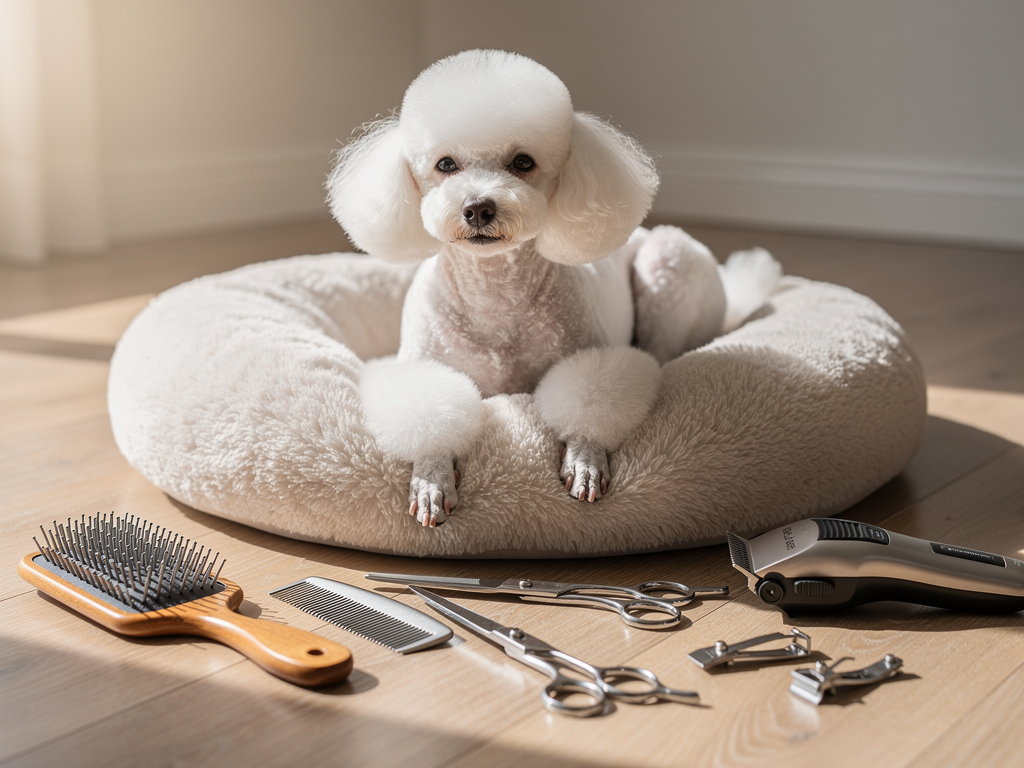
    Key grooming tools specifically cater to the Poodle’s unique coat texture and grooming demands:

    A slicker brush is an indispensable tool for Poodles. Its fine, short wires are perfect for detangling curly fur and removing loose hair. Using a slicker brush is akin to giving your own hair a gentle detangling massage—it smooths out knots without pulling painfully. Regular use helps prevent mats from forming, especially after outdoor activities or rainy walks.

    The steel comb complements the slicker brush with its ability to smooth out finer knots and inspect the skin beneath the coat. Think of it as a finer-tooth comb for your hair that helps discover any hidden tangles or skin issues such as dryness or irritation. The comb is excellent for delicate areas where more precise grooming is needed.

    Scissors play an important role in shaping your Poodle’s coat, especially in areas that are hard to reach with clippers, like between the paws, under the ears, and around the face. Scissors act like a barber’s shears, allowing you to create a neat, stylish look or maintain the classic Poodle cut that highlights their unique features.

    Clippers are essential for efficiently and evenly trimming a growing Poodle coat. Clippers operate like power tools in grooming – they save time while giving precision and consistency. They come with various blade sizes so you can customize the hair length according to your grooming style or seasonal needs.

    Nail clippers should never be overlooked. Keeping your Poodle’s nails properly trimmed avoids pain, overgrowth, and issues with walking or posture. Nail clippers function similarly to human fingernail clippers, preventing discomfort and long nails that could catch on surfaces or cause injury.

    Step-by-Step Grooming Tips for Poodles: Daily, Monthly, and Seasonal

    A structured grooming schedule is key to keeping your Poodle looking and feeling great. Let’s break down the routine into daily, monthly, and seasonal tasks to match the natural requirements of their coat and skin.

    Daily Maintenance Routine

    Daily brushing is crucial. Gently brush your Poodle’s fur to eliminate dirt, debris, and prevent matting. Think of this as brushing your own teeth—an essential habit that maintains overall cleanliness and health. Use a slicker brush first to detangle, then follow up with the steel comb for a smooth finish. Brushing also helps distribute natural oils, keeping the fur glossy and soft.

    Bathing should be done thoughtfully. Choose a gentle dog shampoo designed for sensitive skin to avoid stripping away Poodles’ essential oils. Bathing regularly, but not excessively (about once a month or as needed), is comparable to washing your hair—necessary for cleanliness, but too frequent washing can dry out the coat and skin, resulting in brittleness or irritation.

    Ear cleaning is another daily care step that can prevent infections. Use a soft cloth or cotton ball slightly dampened with a veterinarian-approved ear cleaner. Wipe away any excess wax and debris just like you might swab your ears after swimming to avoid water trapped inside. Since Poodles have floppy ears, which trap moisture, this step significantly reduces the risk of painful ear infections.

    Monthly Grooming Tasks

    Monthly grooming involves trimming and more detailed care. Focus on areas that are prone to matting, such as the armpits, tail, and around the anus. These spots tend to collect moisture and dirt, so careful trimming is like giving yourself a precise haircut that keeps you neat and comfortable.

    Cleaning your Poodle’s eyes monthly helps remove tear stains and discharge that can accumulate. Use a moist cloth or a specialized eye cleaner for this purpose—similar to wiping away sleep or dust from your own eyelashes.

    Oral health is often overlooked but is essential for your Poodle’s comfort and longevity. Brush their teeth regularly with pet-safe toothpaste designed for dogs, and offer chew toys that naturally clean teeth while providing engagement. This dental routine resembles our own tooth brushing habits to reduce plaque buildup and prevent gum diseases.

    Seasonal Grooming Considerations

    Poodles experience shedding seasons, often in spring and fall. During these peak times, increase grooming frequency to manage the excess hair. Think of it as spring cleaning for your Poodle’s coat, ensuring you promptly remove loose hairs and knots to promote a fresh, healthy coat beneath.

    Seasonal changes also require protecting your Poodle’s skin. In summer, Poodles with light-colored or thin fur need sunscreen applied before outdoor activities to shield against harmful UV rays, much like protecting yourself from sunburn. In winter, keep your Poodle warm by using dog-friendly clothing or limiting exposure to cold weather, as their skin and coat may be more vulnerable during harsh conditions.

    Health Concerns in Poodles: Recognizing and Addressing Common Issues

    Poodles are generally healthy dogs, but like all breeds, they are susceptible to certain hereditary and acquired health issues. Knowing what to watch for and how to manage these conditions is vital.

    Common Health Issues in Poodles

    Hip dysplasia is a hereditary condition where the hip joint doesn’t develop correctly, causing pain and mobility problems. This condition is similar to osteoarthritis in humans, requiring early diagnosis through X-rays and lifelong management to maintain comfort. Treatment may include weight management, physical therapy, and sometimes surgery.

    Addison’s disease affects the adrenal glands and results in insufficient production of cortisol, a hormone essential for stress response and metabolism. Comparable to Hashimoto’s thyroiditis in humans, Addison’s disease demands lifelong medication and careful monitoring by a veterinarian to prevent life-threatening crises.

    Sebaceous adenitis is a skin disorder characterized by inflammation, hair loss, and thickened skin due to sebaceous gland dysfunction. It resembles psoriasis in humans and may require ongoing treatments, such as medicated baths, oral medications, or special diets to reduce symptoms and improve skin condition.

    Preventive Measures and Regular Vet Check-Ups

    Preventing illness is always better than treating it. Vaccinations protect your Poodle against numerous contagious diseases and should be kept up to date, much like annual flu shots in humans. Regular vaccinations shield your dog from parvovirus, distemper, rabies, and more.

    Parasite prevention is equally crucial. Flea and tick treatments, heartworm medications, and deworming protocols help keep parasites at bay. Think of these preventive steps as similar to taking antibiotics when sick—they are a proactive way to maintain good health and avoid the complications parasites can cause.

    Care Requirements for Poodles: Nutrition, Exercise, Training, and Socialization

    Caring for a Poodle extends beyond grooming and healthcare; nutrition, exercise, training, and socialization are key pillars of their wellbeing.

    Nutritional Needs and Feeding Guidelines

    Feeding your Poodle a balanced, high-quality dog food that suits their age, size, and activity level is critical. Choosing the right food is like picking the perfect cereal—nutrient-packed and tailored to your dog’s needs. Look for foods containing real meat, vegetables, and whole grains, which provide a complete diet for health and vitality.

    Portion control is essential to prevent obesity, a risk factor for many health problems. Monitor your Poodle’s caloric intake carefully and adjust portions based on their activity levels and weight goals. This is like being mindful about your own portion sizes to avoid unwanted weight gain and related issues.

    Exercise Recommendations

    Poodles thrive on regular physical activity. Daily walks provide not only physical but mental stimulation, helping prevent boredom and promoting a healthy lifestyle. These walks are akin to us going jogging or cycling—excellent ways to keep bodies and minds engaged.

    Incorporate interactive play sessions such as fetch, hide-and-seek, or agility exercises. Playtime serves both as exercise and as an enjoyable bonding experience, similar to having fun with a good friend. These engagements enhance your Poodle’s happiness and obedience.

    Training and Socialization Tips

    Consistent training helps foster good behavior and strengthens the human-canine bond. Training a Poodle requires patience and repetition, much like learning a new language. Use positive reinforcement techniques such as treats and praise to encourage desired behaviors and make training enjoyable.

    Socialization plays a vital role in your Poodle’s development. Expose them to diverse environments, people, and other animals gradually and positively. Think of socialization as networking—it broadens their comfort zone, helping them adapt confidently to new situations and build friendly relationships.

    Answering Common Questions About Caring for a Poodle: Insights and Advice

    Best Diet for a Poodle

    Selecting a diet with high-quality ingredients is fundamental. Look for foods that list real meat as the first ingredient, complemented by vegetables and whole grains. Think of this process as picking out healthy groceries for yourself—you want nourishing options to fuel your Poodle’s body healthily.

    If your Poodle has special dietary requirements due to allergies or medical conditions, consult your veterinarian for prescription diets or tailored feeding plans. Special diets require careful management much like restrictive meal plans do for humans, ensuring your dog’s nutritional needs are met safely.

    How Often Should You Groom Your Poodle?

    Daily brushing is essential to maintain coat health and prevent matting. Regular brushing is like flossing your teeth every day—simple yet crucial for preventing deeper problems. Use a slicker brush for detangling and a steel comb for finishing touches.

    Monthly grooming sessions are recommended for more intensive care like bathing, trimming fur, and nail clipping. These appointments are comparable to getting regular haircuts that keep your Poodle looking neat and feeling comfortable.

    Concerns About Your Poodle’s Health

    Watch for common signs of illness such as decreased appetite, sluggishness, or behavioral changes. Recognizing these symptoms early is akin to knowing the signs of a cold—prompt attention can prevent escalation.

    To ensure early detection and overall health, schedule routine veterinary visits. Regular vet check-ups are like annual physical exams for humans, providing preventive care and quick identification of potential problems before they worsen.

    Why Does Your Poodle Shed So Much?

    Poodles generally shed less than many breeds, but they do experience seasonal shedding spikes typically in spring and fall. This is a natural adaption similar to a teenager’s growth spurt—temporary and normal.

    Consistent grooming can help manage shedding by maintaining a healthy coat and preventing mats that trap dead hair. Grooming is like daily hair combing for us, helping to keep shedding under control and your living environment clean.

    Conclusion: Empower Yourself to Care for a Happy, Healthy Poodle

    Caring for a Poodle entails dedication to their grooming, health, nutrition, exercise, training, and social needs. With the right knowledge and routines, you can provide your Poodle with a comfortable, loving environment that fosters longevity and happiness.

    This comprehensive guide equips you with practical tips and insights to meet your Poodle’s unique needs throughout every stage of life. Embrace the joyful journey of caring for your Poodle—it promises unwavering loyalty, companionship, and countless moments of joy. With your attentive care, your Poodle will remain a vibrant and cherished member of your family for years to come.

  • The Impact of Temperament on Choosing a Family Dog

    The Impact of Temperament on Choosing a Family Dog

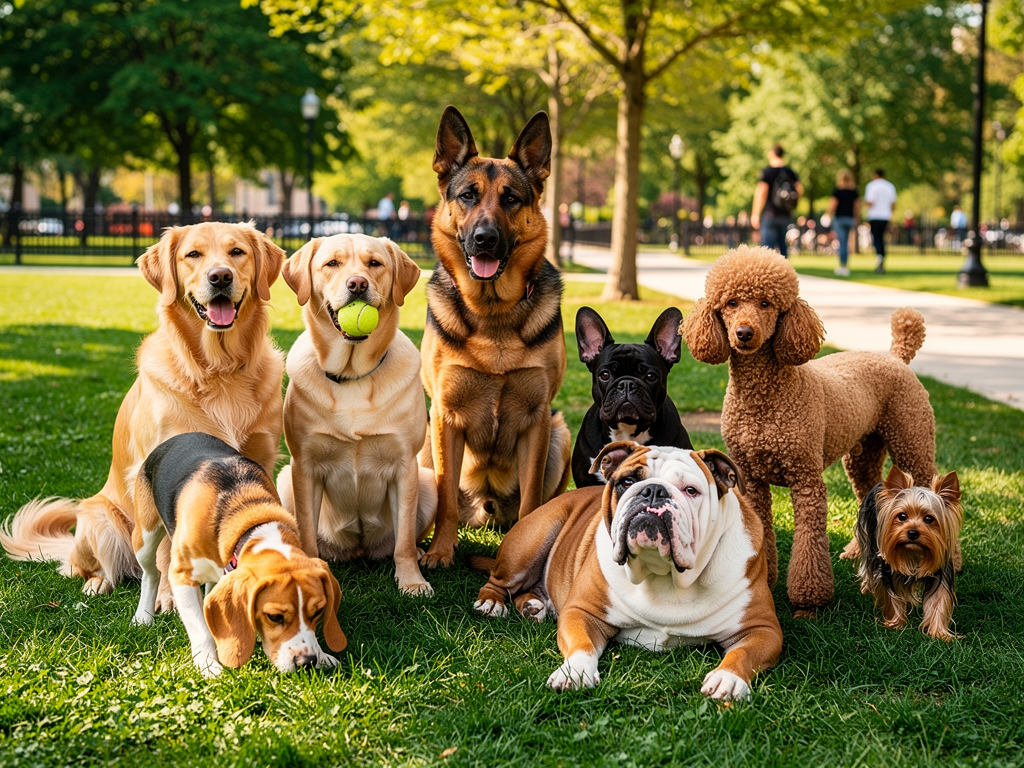
    Choosing the perfect family dog is a deeply personal and rewarding adventure that touches the heart and enriches daily life. At the core of this journey lies the fundamental understanding of temperament—an often underestimated but crucial factor when welcoming a canine companion into your home. Whether your family thrives on outdoor adventures, prefers quiet evenings, has young children, or lives in a cozy apartment, the temperament of your future dog can profoundly influence the harmony and happiness of your household.

    Temperament is more than just a buzzword; it encapsulates the innate qualities that govern a dog’s interactions, responses, and ability to bond with family members. This guide unravels the intricate role that temperament plays in finding a dog that truly fits your family’s unique dynamic, exploring breed-specific traits, the influence of genetics and environment, and how to match energy levels and personalities for a lasting connection. By gaining insight into both your family’s temperament and the distinctive nature of dog breeds, you’ll be empowered to make an informed and heartfelt decision, ensuring your new furry friend is a perfect match for your home and lifestyle.

    Understanding Canine Temperament

    Temperament is essentially the sum of a dog’s inherent behavioral tendencies, shaping how they react to various situations and people. It is partly hardwired and partly shaped by life experiences, and it forms the basis of each dog’s unique personality. Understanding temperament means appreciating the blend of nature and nurture that influences a dog’s behavior patterns, from their energy levels to their sociability and trainability.

    At the genetic level, temperament is deeply rooted in a dog’s DNA. Breeding lines often pass down specific traits; for instance, herding breeds like Border Collies tend to exhibit high intelligence and responsiveness, while retrievers are bred for friendliness and cooperativeness. Responsible breeders focus not only on physical traits but also on temperament consistency, aiming to cultivate predictable and manageable behavioral characteristics within each breed.

    Alongside genetics, the environment where a dog is raised plays a powerful role in shaping temperament. A nurturing, stable home with positive reinforcement fosters balanced dogs that can confidently navigate the world. Conversely, neglect, frequent stress, or inconsistent training may result in anxiety, aggression, or other behavioral challenges. The emotional climate and daily experiences of a dog during its formative years essentially ‘color’ its temperament and behavior as an adult.

    Socialization is a cornerstone of healthy temperament development, especially during puppyhood. This critical period, typically between 3 and 14 weeks of age, is when puppies are most receptive to new sounds, sights, people, and other animals. Early and varied exposure equips them to be adaptable, confident, and less prone to fear or aggression later in life. Pawrent tip: introducing your puppy gradually to diverse environments under controlled conditions is key to raising a well-rounded dog.

    Popular Dog Breeds and Their Temperaments

    Labrador Retriever

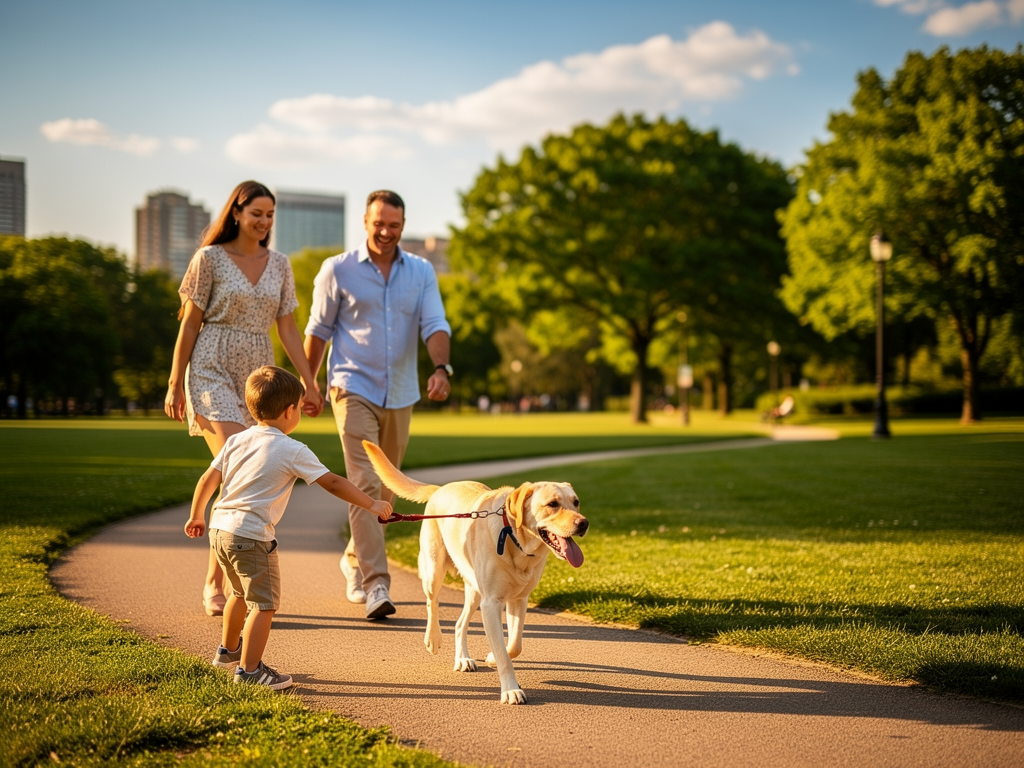
    Labrador Retrievers are a beloved choice for families, especially those with active lifestyles. Known for their loyalty, intelligence, and boundless energy, Labs make affectionate and engaging companions. Their friendly nature means they generally get along well with children and other pets, and their eagerness to please often makes training straightforward.

    Labs thrive with substantial daily exercise — think long walks, swimming sessions, or fetch games — which match their energetic spirit and prevent boredom-driven behaviors. However, their penchant for food means they can easily gain weight if overfed. For families less able to meet their exercise needs, a Labrador’s high-energy temperament might become a challenge rather than a joy.

    Golden Retriever

    Golden Retrievers are gentle, outgoing dogs famed for their intelligence and amiable disposition. They excel in families with children or multi-pet households due to their patience and adaptability. Goldens are also easy to train, making them excellent for first-time dog owners or those wanting a cooperative companion.

    Regular grooming and exercise are essentials for maintaining their health and happiness. Unfortunately, some Golden Retrievers are prone to hip dysplasia, which emphasizes the importance of selecting from reputable breeders who screen for this condition. Their temperament shines when they receive consistent care and interaction.

    Bulldog

    Bulldogs offer a stark contrast with their calm, affectionate, and easygoing nature. They are the quintessential couch companions, thriving in environments where relaxation and cuddling are daily delights. Bulldogs’ loyalty and gentle demeanor make them great for families with young children or elderly members who may prefer a less boisterous pet.

    Despite their loving temperament, Bulldogs do come with special health considerations. Their characteristic short noses contribute to breathing difficulties, and they are prone to skin issues that require attentive care. Families must be prepared for these challenges to ensure their Bulldog lives comfortably and happily.

    German Shepherd

    German Shepherds are renowned for their intelligence, confidence, and versatility. Their protective instincts and high trainability make them superb family guardians and working dogs in police or search-and-rescue roles. For families seeking a dog that can serve both as a loyal pet and a vigilant protector, the German Shepherd fits well.

    However, the breed’s high intelligence comes with a need for consistent training and mental stimulation. Without these, they may develop behavioral problems or become frustrated. Their energy means they benefit from regular exercise and structured activities, which may not suit families with limited time or very sedentary lifestyles.

    Beagle

    Beagles bring a cheerful and curious temperament that suits families with children or other pets. Their keen sense of smell drives their playful and exploratory behavior, making them fun companions who thrive on interactive games and walks. Their gentle, easygoing nature also contributes to their popularity among families.

    Beagles can be vocal, prone to barking, and have a tendency to follow scents, sometimes leading to escape attempts if not closely supervised. Without proper exercise and diet control, they can also become overweight. Families who choose Beagles should be prepared for their active noses and lively spirits.

    Cocker Spaniel

    Cocker Spaniels are energetic and playful, with a strong desire to bond closely with their family. Their affectionate and intelligent temperament makes them well-suited for households with children or multiple pets. They respond well to positive training methods and enjoy being included in family activities.

    However, Cocker Spaniels can be sensitive to harsh discipline and require patience and consistency in training. Regular grooming is also a necessity to keep their coat healthy. Their energy levels suit families ready to provide daily exercise and affectionate attention.

    Matching Dog Breeds with Family Lifestyles

    Active Families

    For families that thrive on activity, dogs with high energy and stamina, such as Labrador Retrievers, German Shepherds, and Border Collies, make perfect companions. These breeds enjoy hikes, runs, agility training, and long play sessions, naturally fitting into an active household.

    While these breeds bring incredible joy and loyalty, they also demand significant time for daily exercise and mental challenges. Without proper outlets, they can become bored or frustrated, potentially exhibiting destructive behaviors. Families with older or less active members should carefully consider if they can meet these breeds’ vigorous needs.

    Sedentary or Elderly Families

    For those who prefer or require a calmer pace, breeds like Bulldogs, Shih Tzus, or Cavalier King Charles Spaniels offer a gentle, affectionate presence. These dogs are content with moderate exercise and bring comfort, companionship, and ease to more relaxed lifestyles.

    While these breeds require less physical activity, some may have health vulnerabilities that necessitate attentive care. Additionally, their calm nature might not mesh well with households that have young, energetic children looking for rough-and-tumble play, so assessing each family’s dynamics is key.

    Families with Children

    Families with kids often benefit from breeds known for their tolerance and friendly dispositions, such as Beagles, Newfoundlands, or Irish Setters. These dogs tend to be patient and adaptable to the high energy and sometimes unpredictable behavior of children, making them trusted playmates.

    Supervision is advised, especially with young children, to ensure interactions are safe for both the dog and child. Sensitive or easily excitable children may find some breeds overwhelming, so matching personalities and considering temperament nuances will ensure safety and joy.

    Small Apartments or City Dwellers

    Urban lifestyles and limited living spaces call for dogs that adapt well to smaller environments, such as Shiba Inus, Pugs, or French Bulldogs. Their compact size and more moderate exercise needs make them excellent companions for city dwellers who may not have large yards or vast outdoor access.

    Nevertheless, these dogs might come with higher grooming needs or health issues related to their breed characteristics. Without sufficient mental stimulation, they may develop behavioral quirks, so urban dog owners should plan for walks, playtime, and enrichment activities even within limited spaces.

    Understanding Your Family’s Temperament to Find the Best Match

    Before selecting a dog, reflect deeply on your family’s energy levels, routines, and preferences. Active families usually benefit from breeds capable of keeping pace with outdoor adventures, while more sedentary households fare better with calm, laid-back dogs comfortable with indoor lounging.

    Assess your children’s ages and personalities—they are crucial factors in matching dog temperament. Toddlers benefit from calm, patient breeds that tolerate frequent handling and somewhat erratic behavior. Older children may enjoy the companionship of more energetic dogs that can participate in active play. Tailoring your dog choice this way helps create a safe and enjoyable environment for both kids and pets.

    Lifestyle changes like moving or introducing a new baby can significantly impact a dog’s adjustment. Opting for breeds adaptable to various living environments can ease transitions between apartments and houses, or urban and rural settings. When a new baby arrives, selecting a gentle and tolerant breed that can accommodate shifts in attention and daily routine will help maintain household harmony.

    Tips for Choosing the Right Dog Breed

    Visiting multiple shelters and rescue organizations offers a broad perspective on available dogs and their temperaments, helping you find a canine that meshes well with your family’s quirks and desires. Meeting a variety of breeds and mixed breeds increases your chance of discovering a furry friend that’s just right.

    Consider supervised interactions or trial periods such as playdates or sleepovers with prospective dogs. This ‘test drive’ helps evaluate compatibility in real living situations, observing how the dog interacts with family members, children, and other pets.

    For tailored guidance, consult a professional dog trainer or behaviorist who can provide expert insights on breed suitability, temperament traits, and training needs. Their advice is invaluable in aligning your expectations with a breed that fits your family’s lifestyle and temperament.

    Common Questions About Dog Temperament and Adoption

    Q: Can a dog’s temperament change over time?
    A: Yes, a dog’s temperament can evolve due to changes in environment or socialization experiences. While genetics set the foundation, positive training and social exposure can enhance confidence and reduce fear or aggression, whereas stressful or neglectful conditions might cause undesirable behavioral shifts.

    Q: How do I know if a dog is a good fit for my family?
    A: Spend time with the dog, preferably in your home environment, and observe behaviors around children and other pets. Look for signs of comfort, sociability, and responsiveness. A good fit often involves a dog that matches your family’s energy, tolerance, and lifestyle.

    Q: What should I consider before adopting a dog?
    A: Key considerations include your daily lifestyle, living arrangements, budget for food, healthcare, and grooming, plus your ability to commit time for training and exercise. Assess these realistically to ensure you can provide a stable, loving home for your new companion.

    In summary, understanding temperament—the delicate interplay of genetics, environment, and socialization—is central to choosing the perfect family dog. Thoughtful matching of breeds to your family’s personality and lifestyle not only enriches everyday life but creates a lasting bond filled with joy, companionship, and mutual respect. With informed choices and care, your furry friend will truly become part of your family, fitting perfectly into your home and hearts.

  • Top 10 Most Popular Dog Breeds in the U.S.

    Top 10 Most Popular Dog Breeds in the U.S.

    In the vast and diverse landscape of America, dogs have become much more than pets—they are cherished companions, protectors, and members of the family. Across cities and countryside, the variety of dog breeds reflects a rich history of human-canine relationships shaped by cultural, functional, and emotional factors. Delving into the most popular dog breeds in the United States reveals not only their physical traits and storied pasts but also the unique characteristics that endear them to millions of dog lovers.

    Whether it’s the loyal Labrador Retriever who is ever-ready to fetch a ball or assist a person with disabilities, or the fierce yet loving German Shepherd guarding homes and communities, each breed has a special charm and purpose. These top dog breeds have evolved alongside human needs and preferences, making them symbols of friendship, resilience, and joy. Understanding their origins and personalities helps prospective owners make informed decisions and deepens our appreciation for the invaluable role dogs play in our lives.

    The Labrador Retriever: A Friendly and Versatile Companion

    The Labrador Retriever’s roots trace back to the late 1800s in Newfoundland, Canada, where fishermen bred these dogs to help retrieve fishing nets and catch fish that escaped from fishing lines. Their original role as hardworking, water-loving companions shaped the Labrador’s natural instincts for swimming and retrieving. This heritage is still evident today in their boundless enthusiasm for water activities and willingness to work alongside humans.

    Labradors are renowned for their friendly, outgoing nature, and striking intelligence, which makes them exceptionally adaptable. These dogs thrive in various roles beyond just family pets. For instance, their keen sense of smell and gentle temperament have made them ideal as service dogs for individuals with disabilities and therapy animals providing emotional support. Labradors also serve in search and rescue operations due to their stamina and focus under pressure.

    Some Labradors have even risen to fame, such as Marley from the beloved memoir “Marley & Me,” whose mischievous antics and boundless love captured many hearts. Endal, another remarkable Labrador, earned recognition as the world’s most decorated assistance dog for his remarkable ability to help his disabled owner with numerous complex tasks. This versatility and warmth make the Labrador Retriever a favorite across America for families, workers, and service providers alike.

    The German Shepherd: The Noble Protector of Today

    Developed in Germany around 1899, the German Shepherd was originally bred for herding sheep and protecting livestock. Their intelligence and strong work ethic quickly caught the attention of law enforcement and military agencies worldwide. Today, German Shepherds are often the first choice for police and military work due to their keen senses, trainability, and bravery.

    This breed is physically distinguished by a muscular build and an alert, noble expression. German Shepherds excel in many demanding roles, including search and rescue missions where their tracking abilities are crucial. They are also trained as guide dogs for visually impaired individuals, showcasing their gentle and dependable nature beneath their imposing exterior.

    Among famous German Shepherds in popular culture, Rin Tin Tin remains a legendary figure—an early 20th-century canine movie star who helped popularize the breed internationally. Hero, a more recent real-life example, served in Afghanistan as a bomb-sniffing dog and is credited with saving over 2,500 lives. This legacy of courage and loyalty cements the German Shepherd’s status as one of America’s most beloved protectors and companions.

    The Golden Retriever: America’s Beloved Family Dog

    The Golden Retriever, hailing from mid-19th century Scotland, was bred primarily for hunting waterfowl. Their role required a dog that was gentle enough to retrieve delicate game without damage yet sturdy and intelligent enough to work in rugged terrain. These qualities have made Golden Retrievers one of the most reliable and amiable breeds for family life.

    Golden Retrievers are instantly recognizable by their beautiful golden coats and friendly smiles. Their gentle and approachable temperament makes them excellent therapy dogs and companions for children. Their intelligence and eagerness to please contribute to their ease of training, a factor that service animal trainers highly value.

    Famous Goldens include Ella, a hearing assistance dog who played a heroic role in saving a deaf woman during a severe earthquake in 2018. Another iconic figure is Balto, a sled dog who braved harsh conditions to deliver life-saving diphtheria serum to Nome, Alaska. This blend of warmth, intelligence, and bravery has endeared Golden Retrievers to millions of American families.

    The English Bulldog: A Symbol of Strength and Stubbornness

    English Bulldogs have a rich history dating back to 13th-century England, where they were originally bred for bull baiting and other blood sports—tough activities requiring strength and tenacity. Though their early history is steeped in these rugged beginnings, today’s English Bulldogs are more known for their distinctive looks and affectionate personality.

    The breed’s signature features include a broad, muscular body, a wrinkled face with loose skin, and a short, flattened snout. These traits give the Bulldog a uniquely adorable, tough yet lovable appearance. Though they’re often perceived as stubborn, English Bulldogs are remarkably gentle and form strong bonds with their families.

    These bulldogs excel as companion animals and show dogs, often serving as proud mascots, such as Duke, the University of Georgia’s beloved bulldog mascot. Culturally, they have become symbols of determination and resilience. Popular representations have included Snoopy from “Peanuts,” who, despite being drawn as a beagle, often embodies Bulldog-like tenacity, and Winston Churchill’s own bulldog, Rufus, symbolizing steadfastness during challenging times.

    The Beagle: A Small Dog with a Big Heart (and Nose!)

    Originating in 14th-century England as hunters of hare, Beagles have long been prized for their remarkable sense of smell and tracking abilities. Despite their relatively small size, these dogs pack a powerful nose that has made them valuable hunting companions for centuries.

    Beagles are instantly recognizable by their compact build, floppy ears, and expressive eyes that showcase a friendly and curious demeanor. They thrive on social interaction, making them excellent therapy dogs and loving family pets. Their energetic personality requires regular exercise, but their affectionate nature wins over dog lovers easily.

    Two of the most famous Beagles in pop culture are Snoopy from the comic strip “Peanuts,” known for his vivid imagination and charismatic personality, and Tramp from Disney’s “Lady and the Tramp,” who captured hearts with his street-smart charm and loyalty. Their prominence has contributed to the Beagle’s sustained popularity in the U.S.

    The Rottweiler: A Devoted and Powerful Protector

    The Rottweiler’s history extends back to around 73 AD in Germany, where they were bred as herding and driving dogs, responsible for managing cattle. These duties required a breed with both raw strength and intelligence, and the Rottweiler fits the bill perfectly.

    This breed is characterized by a robust, muscular build, a distinctive black coat with rust-colored markings, and a powerful jaw. These physical traits make Rottweilers formidable protectors, but their loyalty and intelligence also mold them into exceptional family companions when socialized and trained properly.

    Rottweilers commonly serve as police and service dogs, personal protection dogs, and family pets. Their versatility shows in popular culture too: Max, a Rottweiler character from the movie “How to Train Your Dragon,” and Jake from the children’s TV show “Paw Patrol” embody traits of strength paired with kindness, further elevating the breed’s reputation.

    The Yorkshire Terrier: A Tiny Dog with a Big Personality

    The Yorkshire Terrier, or Yorkie, was bred during the 19th century in England primarily to catch rats in textile mills. Their tiny size belies their bold and spirited nature, making them lively companions despite their diminutive stature.

    Yorkies are recognized for their silky, flowing coats that require regular grooming and their confident, sometimes feisty temperament. Their manageable size and affectionate demeanor make them ideal for urban living and close family interaction. These dogs also excel in dog shows and perform well as therapy animals due to their trainable and adaptable personalities.

    Famous Yorkshire Terriers include Toto from “The Wizard of Oz,” whose presence has been immortalized in popular culture, and Missy, known as the world’s longest-lived Yorkie at 25 years, showcasing the breed’s potential for longevity and enduring companionship.

    The Standard Poodle: An Elegant and Intelligent Companion

    The Standard Poodle originated in Germany around the 15th century, bred for hunting waterfowl. Their signature curly coat is not only distinctive and elegant but also serves a practical purpose—it helps protect them while swimming in cold waters.

    Known for their proud posture and high intelligence, Standard Poodles rank among the smartest dog breeds. Their versatility extends beyond hunting, as they have become highly successful show dogs, service animals, and therapy dogs. Their trainability and social nature make them superb family pets too.

    Among notable Standard Poodles, it is a fun fact that Scooby-Doo from the famous cartoon gang was supposedly a Great Dane but, in a whimsical twist, revealed to be a poodle under the costume. Additionally, Einstein, the assistant to the physicist Stephen Hawking, was a Standard Poodle, highlighting the breed’s suitability for service work that requires specialized training.

    The French Bulldog: A Charming and Affectionate Companion

    The French Bulldog’s origins trace back to the 19th century in France, deriving from English Bulldogs brought over by lace traders from Nottingham. This crossbreeding created a smaller, more playful dog with bat-like ears and a compact, muscular build.

    French Bulldogs are prized for their affectionate and easygoing personality, making them excellent companions for apartment dwellers and families alike. They thrive on human interaction and tend to form close bonds with their owners. While not overly active, they enjoy playful bursts of energy and are generally low maintenance in terms of exercise.

    Popular culture has embraced French Bulldogs, with characters like Fozzie Bear from The Muppets and Marcel the Shell from the animated short film bringing attention to their unique charm and personality. Their ever-growing popularity in America is a testament to their enchanting appeal and adaptability.

    Conclusion

    Discovering America’s favorite dog breeds offers a captivating journey through the history, traits, and common uses of these fascinating canine companions. From the playful Beagle to the highly intelligent Standard Poodle, each breed brings unique qualities that resonate with different lifestyles and needs. These dogs are more than just pets—they are beloved family members and loyal friends who have earned their place in our hearts and homes over generations.

    To dive deeper into the world of dog breeds and find the perfect match for your family, here are some valuable resources:

    • The Ultimate Guide to Choosing the Right Dog Breed for Your Family (AKC)
    • America’s Favorite Dog Breeds: A Look at the Most Popular Pups in the U.S. (PetMD)
    • Top 10 Most Popular Dog Breeds and Their Origins (Pets4Homes)

    We invite you to share your stories about these well-loved breeds or introduce us to your less common furry friends. Your experiences enrich the wonderful community of dog lovers and help us all celebrate the extraordinary bond between humans and dogs.

  • Understanding the Basenji: Africa’s Oldest Dog Breed

    Understanding the Basenji: Africa’s Oldest Dog Breed

    Africa’s oldest dog breed, the Basenji, offers a fascinating glimpse into both canine evolution and cultural history. Revered for its distinctive looks and unique behaviors, this breed has captivated dog lovers and historians alike. Unlike most dogs known for their barking, Basenjis communicate through an unusual yodel-like sound, carrying traits and stories that date back thousands of years. Understanding the Basenji opens a window into not only a remarkable breed but also the civilizations that shaped it.

    This comprehensive guide explores the Basenji’s deep-rooted African origins, unique physical features, temperament, care requirements, and intriguing anecdotes. Whether you are a prospective Basenji owner or simply curious about this ancient dog, this article will equip you with valuable knowledge about one of the most enigmatic dog breeds on the planet.

    Origin of the Basenji Breed

    Tracing the Geographical Origins and Historical Background

    The Basenji’s origins can be traced to Central Africa, particularly the dense forests of the Congo Basin. Archaeological and genetic evidence suggests the breed has existed for several millennia, making it one of the oldest domesticated dog breeds in the world. Unlike many modern breeds selectively bred over recent centuries, the Basenji’s lineage is deeply intertwined with Africa’s early human settlements.

    Ancestry: Evolutionary Journey from Wild Hunting Dogs to Domesticated Pets

    Genetic analysis places the Basenji in a unique position among dog breeds, highlighting its ancient lineage separate from common European breeds. Studies show that Basenjis share a closer genetic relationship with pariah-type dogs native to Africa and Asia rather than with modern breeds developed through organized kennel clubs. This genetic distinctiveness confirms Basenjis as a breed that has retained many primitive traits.

    Early human civilizations in Africa likely domesticated Basenjis as hunting companions due to their quick reflexes, sharp senses, and ability to silently track prey. Unlike many barking dogs, the Basenji’s quieter hunting style suited the stealthy hunting methods practiced by these societies. Their independence and adaptability would have also made them invaluable in diverse environments, from savannah plains to dense forests.

    Historical Significance in African Culture and Tradition

    The Basenji’s role extends beyond hunting. In many African tribes, they were considered sacred animals associated with spiritual protection and good fortune. Certain cultures believed Basenjis possessed mystical qualities due to their unique vocalizations and dignified demeanor. They were often kept close to families not only for practical purposes like herding and guarding but also for their symbolic importance.

    In hunting, Basenjis were prized for their speed and ability to flush out small game and birds, working alongside hunters to secure food. Additionally, their alert nature made them effective guard dogs to warn communities of approaching dangers. This heritage reflects the Basenji’s blend of utility and reverence in African societies, deeply embedding the breed into the continent’s cultural fabric.

    Physical Traits of the Basenji Breed

    Distinctive Coat Patterns and Color Variations

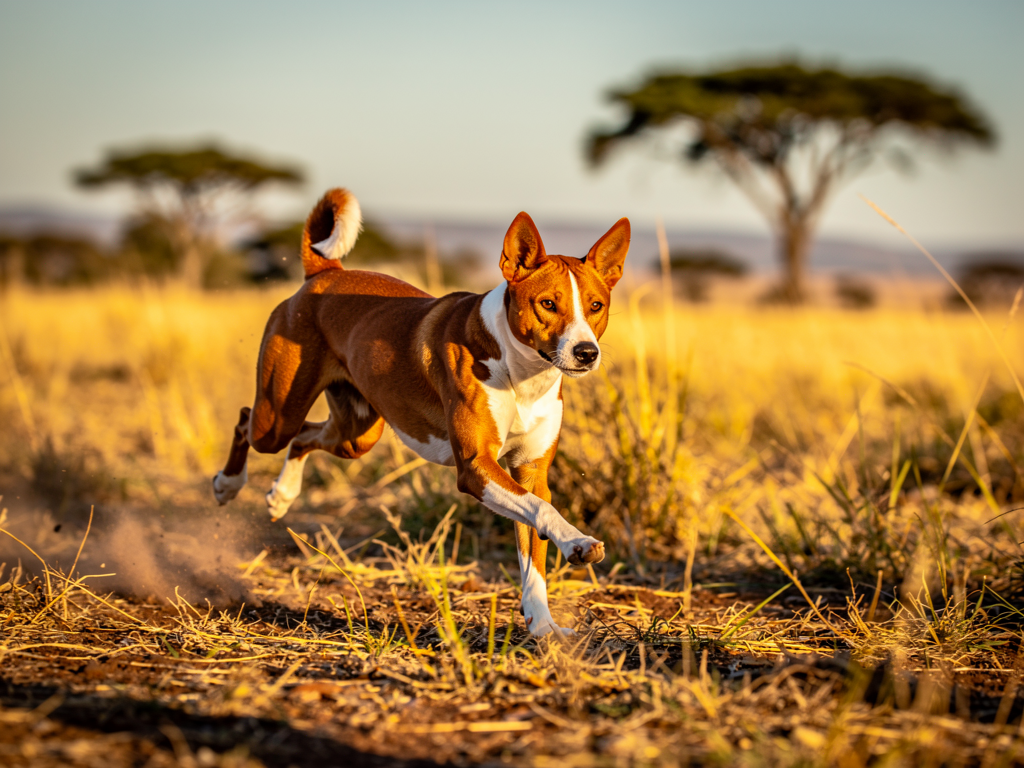
    One of the most noticeable Basenji features is their short, smooth coat, which lies close to the body and showcases striking patterns. Common markings include solid colors mixed with white on the chest, feet, and tail tip, as well as occasional leopard spots or subtle striped patterns. These variations not only enhance the breed’s appearance but also hint at its genetic diversity from wild ancestors.

    Color variations range from chestnut red and black to tricolor (black, white, and tan) and brindle. Historically, these colors helped Basenjis blend into their natural environment, providing camouflage during hunts. For example, a red-coated Basenji would remain less visible in the reddish earth of the savannah, while the brindle pattern helped break up the coat’s outline in the forest.

    Striking Facial Structures

    The Basenji’s face is unmistakable, featuring upright, pointed ears and almond-shaped eyes that give them an intelligent, alert expression. Unlike many other breeds, Basenjis have a smooth, wrinkle-free forehead, adding to their sleek, dignified appearance. However, when excited or curious, subtle forehead wrinkles may appear, highlighting their expressive nature.

    These facial characteristics contribute to their unique charm, portraying a “fox-like” visage that is both graceful and primitive. The eyes exude a sharp intelligence and curiosity, while the ears ensure acute hearing—a critical trait historically necessary for early warning during hunts and guarding.

    Body Shape and Build

    Basenjis possess a slender, athletic body built for speed and agility. Their muscular yet lean structure allows them to move with exceptional grace and quickness across varied terrains. Typically standing about 16 to 17 inches tall at the shoulder and weighing between 22 to 24 pounds, their build is light but sturdy.

    This physique supports extensive running and jumping, which is essential for tracking prey and navigating rugged landscapes. The tight tuck-up of their abdomen and graceful gait further distinguish the Basenji from other dogs, marking it as a breed engineered by nature for endurance and stealth rather than brute strength.

    Temperament and Personality of the Basenji Breed

    Social Tendencies and Compatibility

    Basenjis are known for their independent and sometimes aloof nature, often preferring solitude or small family groups over large crowds or constant social interaction. They tend to form strong bonds with their immediate human family members but may require time to warm up to strangers or other pets.

    Despite their independence, Basenjis can be affectionate and playful with children, especially when socialized early. However, given their instinctual hunting drive and agility, they may be better suited to families with older, more responsible children who understand dog behavior and boundaries. Their cautious nature, combined with sensitivity to household dynamics, makes them less ideal for first-time dog owners seeking a highly obedient or compliant breed.

    Training Challenges and Solutions

    Training a Basenji can be uniquely challenging due to their stubbornness and independent streak. They are intelligent but often prefer to think and act autonomously, making conventional obedience training less effective compared to more eager-to-please breeds.

    Successful training focuses on building trust and respect over dominance. Positive reinforcement techniques using treats, praise, and play motivate a Basenji more effectively than punishment or harsh commands. Patience is essential, as sessions should be kept short but consistent to maintain the dog’s interest.

    Engaging the Basenji’s problem-solving skills with puzzle toys or agility courses also helps deepen the bond and reduce behavioral issues stemming from boredom or frustration. Owners need to establish clear boundaries and routines while encouraging exploration and mental stimulation to satisfy their curious minds.

    Intelligence and Adaptability

    Basenjis are remarkably intelligent dogs with sharp problem-solving abilities and adaptability. Their history as working dogs means they can learn complex tasks, especially those involving independent judgment. This intelligence coupled with adaptability makes them particularly suited for activities like agility training, search-and-rescue, and other performance tasks requiring quick thinking.

    However, their intelligence can also lead to mischief if they feel under-stimulated or confined. Providing immersive environments that challenge both their bodies and minds is crucial to maintaining a happy, well-balanced Basenji. When properly engaged, they are loyal and alert companions capable of adapting well to various living situations, from rural homes to urban apartments.

    Care Requirements for the Basenji Breed

    Nutritional Needs

    A balanced diet is essential to support the Basenji’s active lifestyle and lean body structure. Feeding high-quality dog food with appropriate protein, fats, and nutrients ensures muscle maintenance and overall health. Given their size and metabolism, portion control is important to avoid obesity, which can stress their slender frame.

    Feeding schedules often include two meals per day to keep energy levels consistent. Additionally, fresh water should be available at all times. Some Basenjis may be sensitive to dietary changes or certain ingredients, so owners should monitor for any digestive upset or allergic reactions and adjust diets accordingly.

    Exercise and Mental Stimulation

    Basenjis have high energy levels and require regular exercise to stay healthy and happy. Activities such as daily walks, jogging, hiking, and agility training help satisfy their physical needs while preventing destructive behavior caused by boredom. Their natural agility makes them excellent participants in canine sports that challenge speed and coordination.

    Mental stimulation is equally important. Interactive toys, obedience training, and games like hide-and-seek can keep their sharp minds engaged. Without sufficient stimulation, Basenjis may develop behavioral problems, including excessive digging or escaping attempts.

    Grooming and Hygiene

    Thanks to their short, fine coat, Basenjis require minimal grooming. Regular brushing with a soft brush helps remove loose hairs and maintains a healthy sheen to their fur. Their grooming needs are minimal compared to long-coated breeds, making them relatively easy to maintain.

    Dental health is a critical aspect that owners should not overlook. Regular teeth brushing and professional cleanings as advised by veterinarians can prevent periodontal disease common in many breeds. Routine ear cleaning and nail trimming should also be part of their hygiene regimen.

    Veterinary Care and Health Concerns

    Routine veterinary check-ups are essential to keep Basenjis in optimal health. Basenjis require standard vaccinations, flea and tick prevention, and regular parasite screenings. Being aware of breed-specific health issues such as fanconi syndrome—a kidney disorder common in Basenjis—and hip dysplasia enables early diagnosis and better management.

    Maintaining a close relationship with your vet, observing for signs of discomfort or illness, and following vaccination and wellness plans will ensure a long, healthy life for your Basenji.

    Fun Facts and Interesting Tidbits about the Basenji Breed

    Legendary Traits and Unique Vocalizations

    One of the most famous Basenji traits is their inability to bark in a traditional manner. Instead, they produce a unique yodel-like sound often called a “barroo.” This distinctive vocalization stems from an unusual larynx structure and is often compared to a yodel or a chortle.

    These vocalizations add to the breed’s mystique and communication style, serving as a softer way to alert owners or express excitement without the typical barking. The Basenji’s silent hunting behavior historically made them ideal companions for stealthy hunters who required quiet tracking dogs.

    Modern-Day Celebrity Basenjis and Notable Owners

    Basenjis have occasionally gained the spotlight in popular culture, appearing in movies, television shows, and even alongside famous personalities. Their exotic look and striking presence often make them memorable canine actors and companions to celebrities who appreciate their intelligence and charm.

    Instances of Basenjis starring in films or being owned by notable figures help keep the breed in public view, sparking curiosity and admiration around the world.

    African Legends and Cultural Anecdotes

    Basenjis feature prominently in African folklore and ancient legends. Stories often revolve around their hunting prowess, spiritual protection, and extraordinary loyalty. Some tales speak of Basenjis guiding lost travelers or saving villages from predators, emphasizing their revered status in traditional communities.

    Their distinctive behavior and appearance have made them subjects of intrigue and respect, honoring their role as both guardian and companion through centuries. These cultural anecdotes enrich the breed’s heritage, connecting present-day enthusiasts to a profound and colorful past.


    Understanding the Basenji is a journey into one of the world’s oldest dog breeds, where ancient ancestry meets modern companionship. With their unique traits, rich history, and specific needs, Basenjis are remarkable dogs that bring a blend of mystery, elegance, and spirited personality to any home. By appreciating their origins, physical features, temperament, care requirements, and fascinating lore, owners become better equipped to provide a loving, fulfilling environment for these treasured canines.