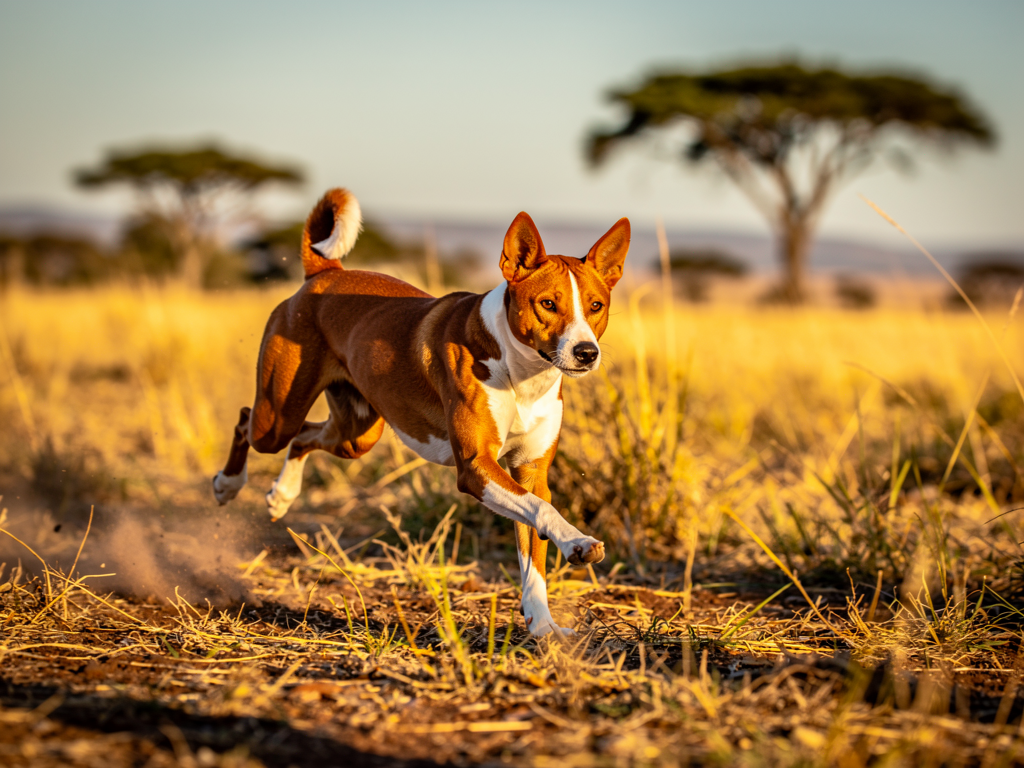
Africa’s oldest dog breed, the Basenji, offers a fascinating glimpse into both canine evolution and cultural history. Revered for its distinctive looks and unique behaviors, this breed has captivated dog lovers and historians alike. Unlike most dogs known for their barking, Basenjis communicate through an unusual yodel-like sound, carrying traits and stories that date back thousands of years. Understanding the Basenji opens a window into not only a remarkable breed but also the civilizations that shaped it.
This comprehensive guide explores the Basenji’s deep-rooted African origins, unique physical features, temperament, care requirements, and intriguing anecdotes. Whether you are a prospective Basenji owner or simply curious about this ancient dog, this article will equip you with valuable knowledge about one of the most enigmatic dog breeds on the planet.
Origin of the Basenji Breed
Tracing the Geographical Origins and Historical Background
The Basenji’s origins can be traced to Central Africa, particularly the dense forests of the Congo Basin. Archaeological and genetic evidence suggests the breed has existed for several millennia, making it one of the oldest domesticated dog breeds in the world. Unlike many modern breeds selectively bred over recent centuries, the Basenji’s lineage is deeply intertwined with Africa’s early human settlements.
Ancestry: Evolutionary Journey from Wild Hunting Dogs to Domesticated Pets
Genetic analysis places the Basenji in a unique position among dog breeds, highlighting its ancient lineage separate from common European breeds. Studies show that Basenjis share a closer genetic relationship with pariah-type dogs native to Africa and Asia rather than with modern breeds developed through organized kennel clubs. This genetic distinctiveness confirms Basenjis as a breed that has retained many primitive traits.
Early human civilizations in Africa likely domesticated Basenjis as hunting companions due to their quick reflexes, sharp senses, and ability to silently track prey. Unlike many barking dogs, the Basenji’s quieter hunting style suited the stealthy hunting methods practiced by these societies. Their independence and adaptability would have also made them invaluable in diverse environments, from savannah plains to dense forests.
Historical Significance in African Culture and Tradition
The Basenji’s role extends beyond hunting. In many African tribes, they were considered sacred animals associated with spiritual protection and good fortune. Certain cultures believed Basenjis possessed mystical qualities due to their unique vocalizations and dignified demeanor. They were often kept close to families not only for practical purposes like herding and guarding but also for their symbolic importance.
In hunting, Basenjis were prized for their speed and ability to flush out small game and birds, working alongside hunters to secure food. Additionally, their alert nature made them effective guard dogs to warn communities of approaching dangers. This heritage reflects the Basenji’s blend of utility and reverence in African societies, deeply embedding the breed into the continent’s cultural fabric.
Physical Traits of the Basenji Breed
Distinctive Coat Patterns and Color Variations
One of the most noticeable Basenji features is their short, smooth coat, which lies close to the body and showcases striking patterns. Common markings include solid colors mixed with white on the chest, feet, and tail tip, as well as occasional leopard spots or subtle striped patterns. These variations not only enhance the breed’s appearance but also hint at its genetic diversity from wild ancestors.
Color variations range from chestnut red and black to tricolor (black, white, and tan) and brindle. Historically, these colors helped Basenjis blend into their natural environment, providing camouflage during hunts. For example, a red-coated Basenji would remain less visible in the reddish earth of the savannah, while the brindle pattern helped break up the coat’s outline in the forest.
Striking Facial Structures
The Basenji’s face is unmistakable, featuring upright, pointed ears and almond-shaped eyes that give them an intelligent, alert expression. Unlike many other breeds, Basenjis have a smooth, wrinkle-free forehead, adding to their sleek, dignified appearance. However, when excited or curious, subtle forehead wrinkles may appear, highlighting their expressive nature.
These facial characteristics contribute to their unique charm, portraying a “fox-like” visage that is both graceful and primitive. The eyes exude a sharp intelligence and curiosity, while the ears ensure acute hearing—a critical trait historically necessary for early warning during hunts and guarding.
Body Shape and Build
Basenjis possess a slender, athletic body built for speed and agility. Their muscular yet lean structure allows them to move with exceptional grace and quickness across varied terrains. Typically standing about 16 to 17 inches tall at the shoulder and weighing between 22 to 24 pounds, their build is light but sturdy.
This physique supports extensive running and jumping, which is essential for tracking prey and navigating rugged landscapes. The tight tuck-up of their abdomen and graceful gait further distinguish the Basenji from other dogs, marking it as a breed engineered by nature for endurance and stealth rather than brute strength.
Temperament and Personality of the Basenji Breed
Social Tendencies and Compatibility
Basenjis are known for their independent and sometimes aloof nature, often preferring solitude or small family groups over large crowds or constant social interaction. They tend to form strong bonds with their immediate human family members but may require time to warm up to strangers or other pets.
Despite their independence, Basenjis can be affectionate and playful with children, especially when socialized early. However, given their instinctual hunting drive and agility, they may be better suited to families with older, more responsible children who understand dog behavior and boundaries. Their cautious nature, combined with sensitivity to household dynamics, makes them less ideal for first-time dog owners seeking a highly obedient or compliant breed.
Training Challenges and Solutions
Training a Basenji can be uniquely challenging due to their stubbornness and independent streak. They are intelligent but often prefer to think and act autonomously, making conventional obedience training less effective compared to more eager-to-please breeds.
Successful training focuses on building trust and respect over dominance. Positive reinforcement techniques using treats, praise, and play motivate a Basenji more effectively than punishment or harsh commands. Patience is essential, as sessions should be kept short but consistent to maintain the dog’s interest.
Engaging the Basenji’s problem-solving skills with puzzle toys or agility courses also helps deepen the bond and reduce behavioral issues stemming from boredom or frustration. Owners need to establish clear boundaries and routines while encouraging exploration and mental stimulation to satisfy their curious minds.
Intelligence and Adaptability
Basenjis are remarkably intelligent dogs with sharp problem-solving abilities and adaptability. Their history as working dogs means they can learn complex tasks, especially those involving independent judgment. This intelligence coupled with adaptability makes them particularly suited for activities like agility training, search-and-rescue, and other performance tasks requiring quick thinking.
However, their intelligence can also lead to mischief if they feel under-stimulated or confined. Providing immersive environments that challenge both their bodies and minds is crucial to maintaining a happy, well-balanced Basenji. When properly engaged, they are loyal and alert companions capable of adapting well to various living situations, from rural homes to urban apartments.
Care Requirements for the Basenji Breed
Nutritional Needs
A balanced diet is essential to support the Basenji’s active lifestyle and lean body structure. Feeding high-quality dog food with appropriate protein, fats, and nutrients ensures muscle maintenance and overall health. Given their size and metabolism, portion control is important to avoid obesity, which can stress their slender frame.
Feeding schedules often include two meals per day to keep energy levels consistent. Additionally, fresh water should be available at all times. Some Basenjis may be sensitive to dietary changes or certain ingredients, so owners should monitor for any digestive upset or allergic reactions and adjust diets accordingly.
Exercise and Mental Stimulation
Basenjis have high energy levels and require regular exercise to stay healthy and happy. Activities such as daily walks, jogging, hiking, and agility training help satisfy their physical needs while preventing destructive behavior caused by boredom. Their natural agility makes them excellent participants in canine sports that challenge speed and coordination.
Mental stimulation is equally important. Interactive toys, obedience training, and games like hide-and-seek can keep their sharp minds engaged. Without sufficient stimulation, Basenjis may develop behavioral problems, including excessive digging or escaping attempts.
Grooming and Hygiene
Thanks to their short, fine coat, Basenjis require minimal grooming. Regular brushing with a soft brush helps remove loose hairs and maintains a healthy sheen to their fur. Their grooming needs are minimal compared to long-coated breeds, making them relatively easy to maintain.
Dental health is a critical aspect that owners should not overlook. Regular teeth brushing and professional cleanings as advised by veterinarians can prevent periodontal disease common in many breeds. Routine ear cleaning and nail trimming should also be part of their hygiene regimen.
Veterinary Care and Health Concerns
Routine veterinary check-ups are essential to keep Basenjis in optimal health. Basenjis require standard vaccinations, flea and tick prevention, and regular parasite screenings. Being aware of breed-specific health issues such as fanconi syndrome—a kidney disorder common in Basenjis—and hip dysplasia enables early diagnosis and better management.
Maintaining a close relationship with your vet, observing for signs of discomfort or illness, and following vaccination and wellness plans will ensure a long, healthy life for your Basenji.
Fun Facts and Interesting Tidbits about the Basenji Breed
Legendary Traits and Unique Vocalizations
One of the most famous Basenji traits is their inability to bark in a traditional manner. Instead, they produce a unique yodel-like sound often called a “barroo.” This distinctive vocalization stems from an unusual larynx structure and is often compared to a yodel or a chortle.
These vocalizations add to the breed’s mystique and communication style, serving as a softer way to alert owners or express excitement without the typical barking. The Basenji’s silent hunting behavior historically made them ideal companions for stealthy hunters who required quiet tracking dogs.
Modern-Day Celebrity Basenjis and Notable Owners
Basenjis have occasionally gained the spotlight in popular culture, appearing in movies, television shows, and even alongside famous personalities. Their exotic look and striking presence often make them memorable canine actors and companions to celebrities who appreciate their intelligence and charm.
Instances of Basenjis starring in films or being owned by notable figures help keep the breed in public view, sparking curiosity and admiration around the world.
African Legends and Cultural Anecdotes
Basenjis feature prominently in African folklore and ancient legends. Stories often revolve around their hunting prowess, spiritual protection, and extraordinary loyalty. Some tales speak of Basenjis guiding lost travelers or saving villages from predators, emphasizing their revered status in traditional communities.
Their distinctive behavior and appearance have made them subjects of intrigue and respect, honoring their role as both guardian and companion through centuries. These cultural anecdotes enrich the breed’s heritage, connecting present-day enthusiasts to a profound and colorful past.
Understanding the Basenji is a journey into one of the world’s oldest dog breeds, where ancient ancestry meets modern companionship. With their unique traits, rich history, and specific needs, Basenjis are remarkable dogs that bring a blend of mystery, elegance, and spirited personality to any home. By appreciating their origins, physical features, temperament, care requirements, and fascinating lore, owners become better equipped to provide a loving, fulfilling environment for these treasured canines.
Leave a Reply
You must be logged in to post a comment.