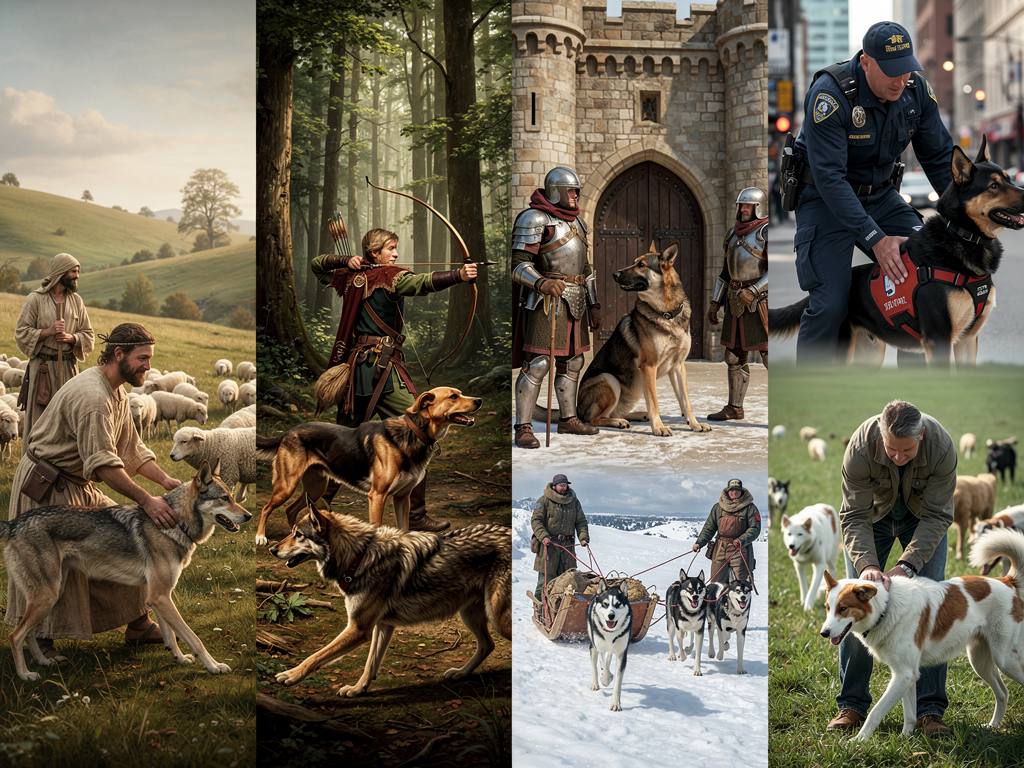
Working dog breeds have been indispensable companions and helpers to human societies for thousands of years. Their abilities have not only made daily tasks easier but also helped forge the very foundations of civilization through protection, hunting, herding, and transportation. From ancient times to the present day, these breeds have evolved alongside humans, shaped by the environments and cultures they lived in, and refined through selective breeding to fulfill specific roles. The connection between humans and working dogs is a testament to how two species can co-evolve and thrive together for mutual benefit.
The history of working dogs reveals fascinating insights into human migration, the development of agriculture, trade expansion, and even the defense of territories. Recognizing the diversity in purpose and characteristics among working dog breeds helps us appreciate the deep bond they share with people across various regions and historical periods. Exploring this journey uncovers not only the practical attributes of working dogs but also their cultural symbolism, myths, and the impact they have had on societies worldwide.
Origin and Evolution of Working Dog Breeds
The origins of working dog breeds trace back to early human civilizations when dogs were among the first domesticated animals. Selective breeding played a crucial role in developing breeds that suited particular tasks, from guarding livestock to hunting game. Early humans recognized the value of dogs with specific traits—such as strength, endurance, scenting ability, or herding instinct—and selectively bred them to enhance these qualities over generations.
Geography, climate, and culture hugely influenced the variety of working dog breeds that emerged. For instance, breeds developed in colder climates like the Arctic needed thick coats and endurance for tasks like pulling sleds, while dogs bred in desert regions were often lean and agile, suited for hunting in harsh conditions. Cultural factors dictated the roles dogs were expected to perform—some societies prized hunting companions, others guardianship, or herding skills, each shaping breed characteristics accordingly.
The first documented evidence of working dogs can be found in ancient literature, art, and archaeological findings. Cave paintings and carvings from prehistoric times clearly depict the close association between humans and domesticated dogs. Ancient Mesopotamian and Egyptian texts detail the use of dogs in hunting and protection, affirming their status as essential working partners. For example, dog remains found alongside human burials suggest early dogs held special significance, possibly related to their working roles or spiritual beliefs.
Migration patterns greatly affected how working dog breeds dispersed and adapted worldwide. As human groups moved across continents, they brought dogs with them, which then interbred with local canines or adapted uniquely to new environments. This process allowed certain breeds to flourish far from their places of origin due to environmental or cultural suitability. A prime example is the spread of sled-pulling breeds among Arctic communities such as the Inuit and Siberian peoples. Breeds like the Siberian Husky and Alaskan Malamute developed remarkable endurance and cold-weather resilience, indispensable for survival in frozen regions.
Ancient Working Dog Breeds
Ancient working dogs were vital to early civilizations for hunting, guarding, and companionship. Breeds such as Greyhounds, Basenjis, and Salukis have origins dating back thousands of years, each developed with distinctive traits suited to their environments and tasks.
The ancient Egyptian Greyhound, often depicted in tomb paintings, was prized for its incredible speed and agility in hunting. These slender, fast dogs were used to chase down game in the vast desert landscapes, showcasing the Egyptians’ appreciation for combining form and function in their dogs. Greyhounds also participated in early canine sports, setting the foundation for modern racing and coursing activities.
The Basenji, native to Central Africa, is notable for its unique vocalization—it does not bark like most dogs but makes a yodel-like sound called a “barroo.” This characteristic was well-suited to its environment and role as both a companion and hunter in African cultures. The Basenji’s keen senses, agility, and independence made it ideal for hunting small game and alerting humans to danger without drawing undue attention through barking.
Salukis, often called the “Royal Dogs of Egypt,” have a storied history as swift and enduring hunters in Middle Eastern deserts. Their ability to cover large distances and catch elusive prey made them favorites among nomadic tribes and royalty alike. Salukis are also steeped in legend and art, symbolizing grace, speed, and loyalty.
Ancient mythologies further elevated the cultural significance of some working dogs. Greek stories, for example, feature Cerberus, the terrifying three-headed guard dog of Hades, who prevented the dead from leaving the underworld. Such myths underscore how working dogs were revered as powerful protectors and companions beyond the physical realm, embedding them in human belief systems.
Medieval Working Dog Breeds
During the Middle Ages, dogs continued to evolve into specialized roles that matched the needs of feudal societies. Breeds like Mastiffs, Bloodhounds, and Wolfhounds exemplify the practical and symbolic importance of working dogs during this period.
The Mastiff was famously known as a guardian of castles and fortresses. Their sheer size, strength, and intimidating presence made them ideal for protecting nobility and their domains from invaders or thieves. These dogs were bred for courage and loyalty, often chained at gates or patrolling battlements. This role established the Mastiff as a symbol of security and steadfastness.
Bloodhounds, meanwhile, dazzled medieval society with their unmatched sense of smell and tracking ability. They were used both for hunting game and for law enforcement purposes, tracking down fugitives or lost persons. Their exceptional olfactory skills enabled them to follow scents over miles, which was revolutionary for medieval justice and hunting. Bloodhounds’ success in tracking also led to developing training methods based on scent discrimination still in use today.
Wolfhounds, especially the Irish Wolfhound, were bred to hunt large predators like wolves and deer. Their height, speed, and power were critical in protecting livestock and communities from wildlife threats. These dogs were also esteemed in literature and lore, representing noble ferocity and protection.
The importance of these working dogs is reflected in medieval art, literature, and heraldry. Dogs often appeared in illuminated manuscripts as symbols of loyalty and valor, while stained glass windows sometimes depicted hunting scenes or guardianship alongside religious figures. Coats of arms, too, frequently featured dog imagery to represent a family’s strengths and virtues, blending the practical and the emblematic roles working dogs played.
Modern Working Dog Breeds
In modern times, the roles of working dogs have expanded and diversified, reflecting technological advances and societal changes. Breeds like German Shepherds, Border Collies, and Dobermans embody the adaptability and intelligence required to meet contemporary task demands.
German Shepherds stand out as one of the most versatile working dog breeds today. Known for their intelligence, strength, and trainability, they are widely used in law enforcement, military operations, search and rescue missions, and service dog roles. Their ability to learn complex commands and perform under pressure makes them invaluable partners in security and assistance contexts worldwide.
Border Collies are celebrated for their remarkable intelligence and agility, notably in herding livestock. Their natural instincts, combined with trainability, have also made them stars in agility trials and various dog sports. Border Collies showcase how working dogs today can excel in both practical livestock management and competitive activities, emphasizing the importance of mental and physical stimulation.
Dobermans provide a powerful example of a breed developed for protection and personal security while maintaining a friendly, affectionate nature with their owners. Their speed, alertness, and keen senses make them excellent guard dogs, but their loyalty and intelligence ensure they are also loving family members.
The impact of modern working dogs extends beyond physical tasks. Guide dogs for the blind, for example, have revolutionized mobility and independence for individuals with visual impairments. These dogs undergo rigorous training to assist with navigation and obstacle avoidance, significantly improving their handlers’ quality of life. Such roles highlight working dogs’ continued societal relevance beyond traditional physical labor.
Impact of Working Dog Breeds on Society and Culture
Working dogs have profoundly influenced culture and society through history. Their presence is woven into folklore, mythology, art, and literature, often symbolizing qualities like loyalty, bravery, and service.
Folklore is rich with tales of working dogs performing heroic deeds. One famous example is the Saint Bernard breed, originating in the Swiss Alps, known for rescuing stranded travelers in deadly snowstorms. This breed’s iconic image with a small barrel of brandy has become emblematic of hope and aid amid adversity. Such stories contribute to the cultural reverence of working dogs as lifesavers and steadfast partners.
Artists and writers have long drawn inspiration from working dogs, depicting their roles and personalities across mediums. From medieval illuminated manuscripts displaying noble hunting scenes to contemporary novels featuring canine heroes, working dogs serve as metaphors for virtues humans aspire to embody. Their representation reinforces positive perceptions of dogs and highlights their integral place in human narratives.
These breeds have also influenced modern dog breeding practices and training methods. Selective breeding strategies once used for specific tasks have informed how breeds are developed for health, temperament, and abilities today. Furthermore, the rise of dog sports—agility, obedience trials, and herding competitions—owes much to the legacy of working dogs trained for physical and mental precision.
FAQs about Working Dog Breeds
What is the difference between a herding dog and a guard dog?
Herding dogs are bred and trained to manage livestock, guiding and controlling animals such as sheep or cattle. They rely on intelligence, agility, and a strong instinct to work closely with humans and animals. Guard dogs, on the other hand, are selected for protective instincts, territorial behavior, and the ability to deter or confront threats. While herding dogs work with animals, guard dogs primarily protect property or people.
How have working dogs evolved over time to suit specific tasks or environments?
Working dogs evolved through selective breeding, emphasizing traits useful for their tasks. For example, sled dogs developed thick, insulating coats and tireless endurance to pull loads in cold climates, while hunting dogs like the Greyhound evolved lean frames for speed. Moreover, cultural needs influenced breeding decisions, with some dogs suited for specific roles like guarding castles or herding sheep, adapting physically and behaviorally through generations.
What are some notable examples of working dogs in popular culture?
Working dogs frequently appear in movies, books, and cartoons, highlighting their diverse roles. The German Shepherd “Rin Tin Tin” starred in early Hollywood films as a heroic police dog. Lassie, a Rough Collie, depicted a brave and intelligent companion who saved people from danger. In animation, Scooby-Doo portrays a Great Dane as a lovable, food-motivated mystery-solver. These portrayals amplify public admiration for working dogs’ capabilities and personalities.
Through centuries of evolution, working dog breeds have not only shaped human industry and protection but also inspired art, mythology, and society’s deepest values. Their continued presence underscores the unique bond humans share across time with their loyal, hardworking canine companions.
Leave a Reply
You must be logged in to post a comment.